Glossary
Thermoplastic Resin
Definition
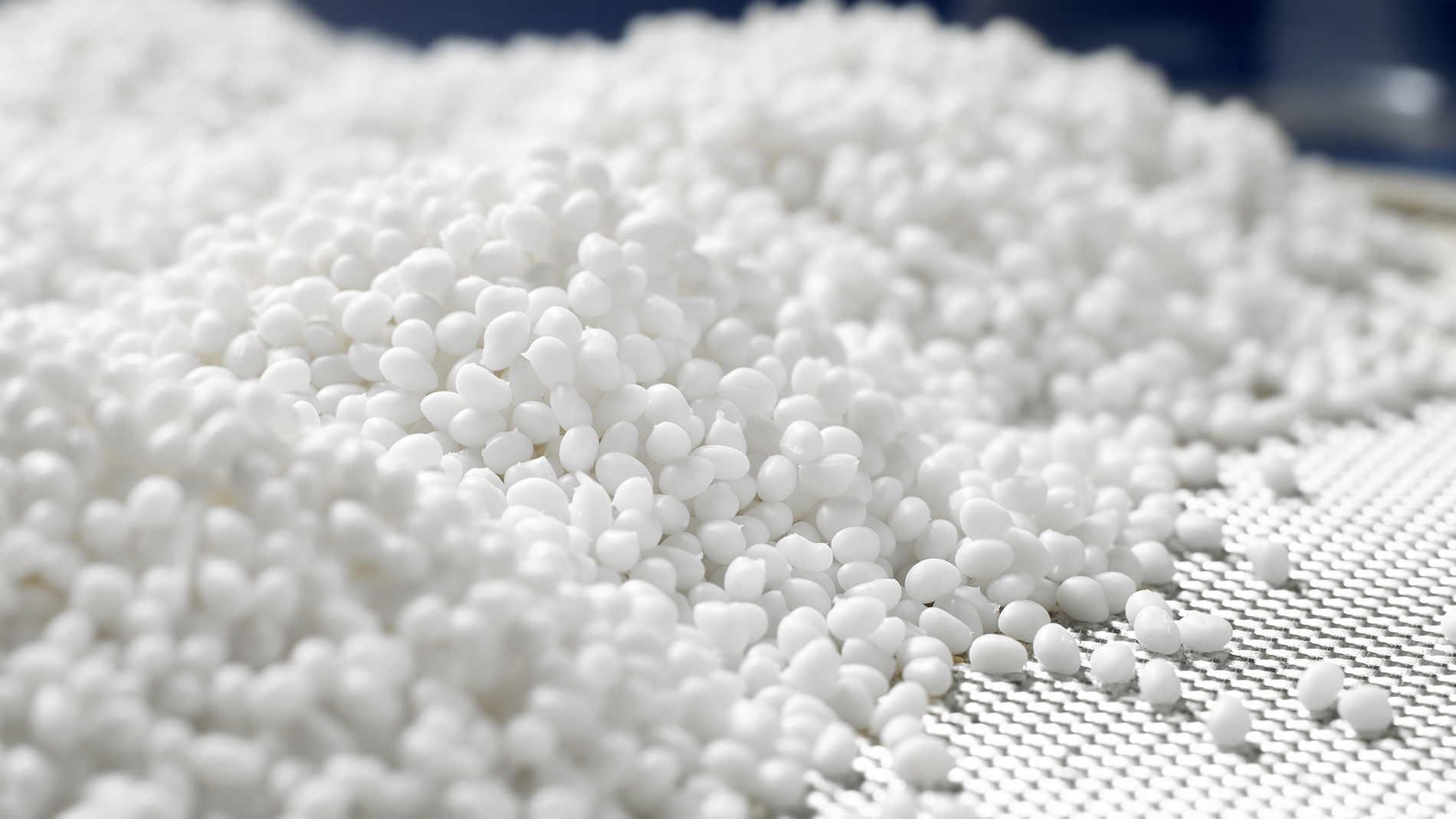
Thermoplastic resin is a type of polymer that becomes soft and moldable when heated and solidifies when cooled, without undergoing a permanent chemical change. The heating and cooling process can be repeated multiple times, allowing thermoplastics to be remelted and reprocessed.
Thermoplastic resins can be either amorphous or semi-crystalline. Their behavior during heating and cooling is influenced by properties such as melting temperature (Tm) or glass transition temperature (Tg). Common examples include polyethylene (PE), polypropylene (PP) and polyethylene terephthalate (PET).
Context
Thermoplastic resins are the foundation of most modern plastic applications due to their versatility, processability and recyclability.
Thermoplastic resins are the core of M. Holland’s product portfolio. By working closely with suppliers and customers, M. Holland provides guidance on selecting the appropriate resin based on performance requirements, processing conditions and end-use applications.
Related Content
Engineering Insights: Thermoplastic Drying Part 1
Read more
Engineering Insights: Thermoplastic Drying Part 2
Read more