Glossary
Post-Consumer Recycled (PCR) Content
Definition
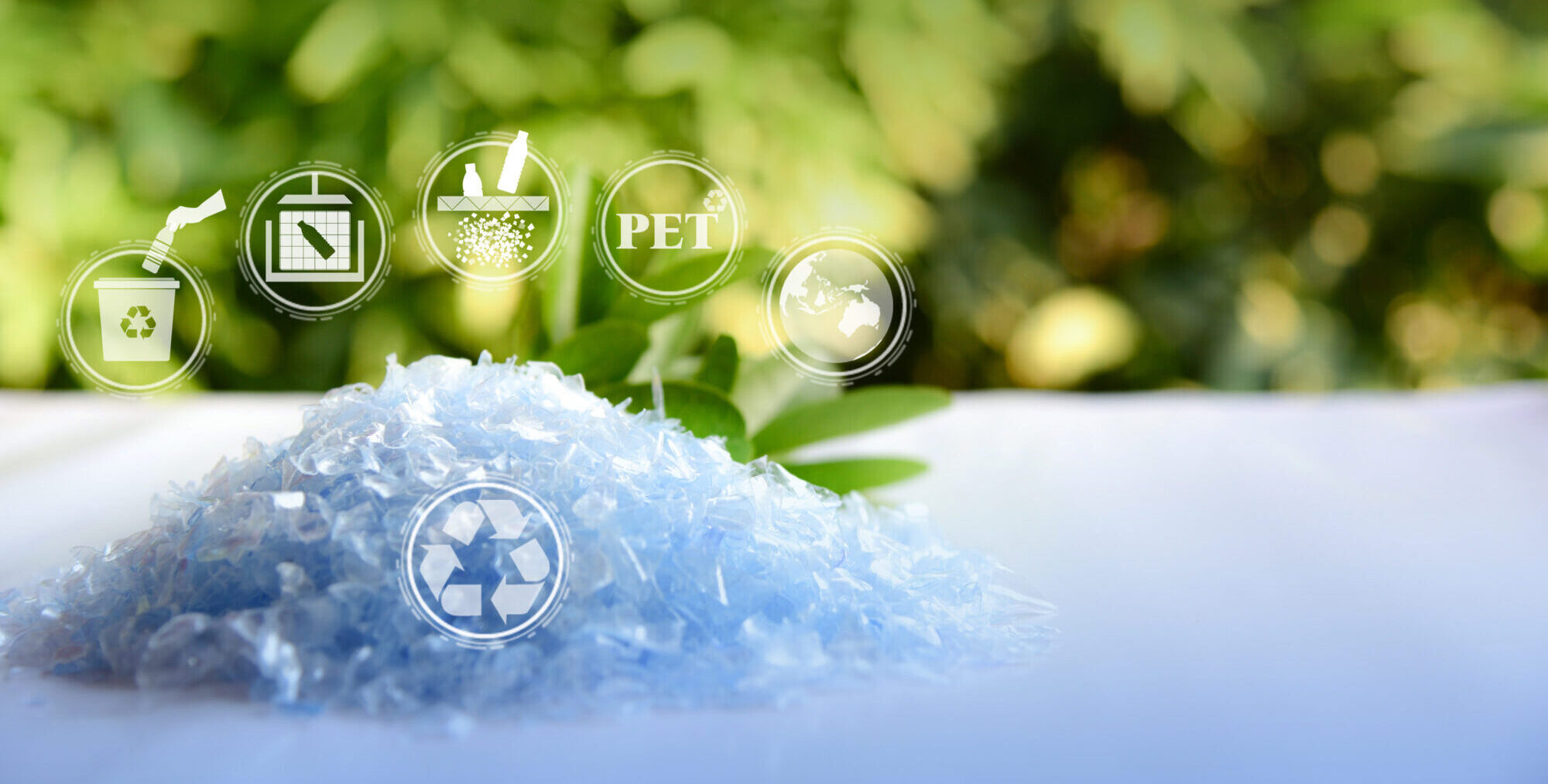
Post-consumer recycled (PCR) content is material recovered from products that have completed their intended use by consumers and would otherwise be disposed of as waste. PCR materials are collected, sorted, processed and reintroduced into the manufacturing stream for use in new products and packaging.
Context
PCR content is often a component of corporate sustainability initiatives and is an emerging requirement in minimum recycled content regulation. The use of PCR content can help divert waste from landfills and lower the environmental impact of plastic products.
Manufacturers interested in incorporating PCR must evaluate factors such as performance requirements, material consistency, regulatory compliance and supply availability. M. Holland offers PCR materials in its sustainability portfolio and helps customers successfully integrate recycled content into existing and new applications.